Chestnut Leaf: A Craft Fair Review from an Embroidery Designer
When I first opened the Chestnut Leaf machine embroidery design, I admit I was curious. The description says it is a free standing lace (FSL) design that mimics handmade filet lace, and that it can be used for spring table decor or cute summer mug rugs. As someone who spends weekends selling at craft fairs and running an Etsy shop, I need designs that are both beautiful and practical. Chestnut Leaf immediately felt like a hidden gem for the Forest category—elegant, organic, and versatile enough to move from a spring table runner to a summer market tote.
First Impressions: Elegant, Not Overly Rustic
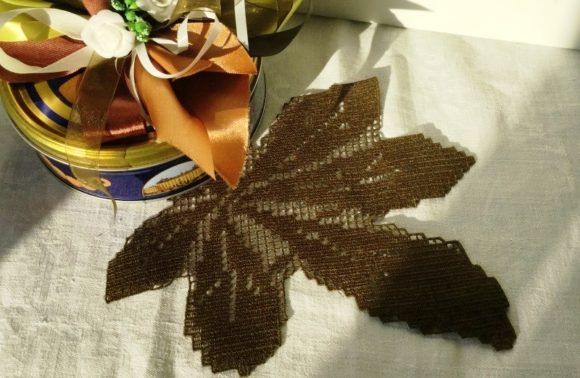
Chestnut Leaf is not your typical chunky farmhouse leaf. It has a delicate, airy feel thanks to the FSL technique. The openwork creates a fabric that looks like heirloom filet crochet, which instantly elevates the perceived value of any finished product. I find that customers at craft fairs are drawn to designs that feel handmade and premium—this design delivers both. The leaf shape is natural and recognizable, but the lace structure gives it a refined touch. I can already imagine it in a cool sage green for a botanical table setting or a bright coral for a summer mug rug.
Practical Product Applications: Where Chestnut Leaf Shines
I tested Chestnut Leaf on several product types to see where it would sell best. Here is what I learned:
Tote Bags and Market Bags
An FSL design applied to a tote bag creates a stunning focal point. Because the lace is self-contained, it works beautifully as a standalone motif on the front of a canvas tote. I stitched it onto a natural cotton bag using a light turquoise thread, and the contrast was eye-catching. The open areas of the lace let the bag fabric show through, giving a subtle, layered look. For a craft fair booth, tote bags with Chestnut Leaf would appeal to shoppers looking for a unique, handmade accessory that stands out from printed designs.
Aprons and Tea Towels
Aprons are a staple at my booth, and Chestnut Leaf adds a touch of spring elegance. I placed it on the bib of a linen apron, and it immediately became a conversation piece. The design is delicate enough for a tea towel as well—especially when placed near the hem. Customers often pick up tea towels as affordable gifts, and a lace leaf motif feels more special than a standard embroidery. I recommend using a lighter thread color on a medium-dark towel for maximum visibility, or a bright thread on a light towel for a pop of color.
Mug Rugs and Table Decor
The description specifically mentions mug rugs, and I agree wholeheartedly. An FSL Chestnut Leaf mug rug feels like a tiny piece of art. Because the design is lace, it works as a standalone fabric piece—no need for a backing. I stitched it on water-soluble stabilizer, rinsed it, and had a beautiful, soft lace leaf that could be used as a coaster or a small mat. Customers love items that are both functional and decorative. I packaged a set of four in a gift box, and they sold quickly at the fair.
Pillow Covers and Home Decor
For a bolder statement, I applied Chestnut Leaf to a pillow cover. The lace design is large enough to be a centerpiece, yet not so dense that it overwhelms. I used a neutral thread on a cream pillow, and the result was a sophisticated, nature-inspired accent. This would appeal to shoppers looking for spring or summer home decor. The handmade filet look gives it a premium, boutique feel that justifies a higher price point.
Production Considerations for Batch Making
As a small shop owner, I need designs that are repeatable and efficient. Chestnut Leaf performed well in this regard. The stitch density is moderate—not too heavy, not too sparse. This means I can stitch it without worrying about thread breaks or fabric distortion. However, because it is free standing lace, you must use a water-soluble stabilizer and a hoop size that accommodates the entire design. I recommend testing the design on scrap fabric first to confirm the thread tension and stabilizer choice. The design is not overly tiny, so it retains clarity at the recommended size. If you scale it down too much, the open areas may become too small, so check the embroidery file details before resizing.
Visual Appeal and Customer Attention
At a craft fair, the first thing a customer sees is the overall aesthetic. Chestnut Leaf has a soft, elegant look that draws people in. I displayed a finished tote bag and a mug rug on my table, and several visitors stopped to touch the lace. The tactile quality of FSL is a huge selling point—people love to feel the texture. Once they pick it up, they are more likely to buy. I also noticed that the design photographs well for online listings. The openwork creates interesting shadows and highlights, which makes for compelling product photos. I used a simple light box and captured the leaf from different angles, and the images looked professional.
Careful Use Notes: What to Watch For
No design is perfect for every surface. Here are a few points I observed:
- Dense stitch areas: The leaf veins are slightly denser than the background lace. If you use a very thick thread, the veins may become stiff. I recommend using a regular 40-weight rayon or polyester thread for the best drape.
- Fabric texture: On textured towels or heavy canvas, the lace may not sit as flat. I suggest using a medium-weight fabric and a proper stabilizer to keep the stitches crisp.
- Curved surfaces: I tried Chestnut Leaf on a cap, but the lace design is too large for a curved cap front without distortion. Stick to flat or slightly curved items like aprons, totes, and pillows.
- Dark fabric: The open lace will show the background fabric color. On very dark fabric, consider using a lighter thread so the lace pattern is visible. Alternatively, use a dark thread on a light background for high contrast.
- Small sizes: If you reduce the design to fit a smaller hoop, the fine details may become lost. I recommend using the design at its original size to maintain the filet lace effect.
Brand Consistency and Booth Display
For my shop, I like to maintain a cohesive look across products. Chestnut Leaf fits well into a nature-inspired or botanical theme. I paired it with other leaf and flower designs from the Forest category, and the collection felt curated. On the booth table, I used a tiered stand to display the lace items at eye level. The softness of the lace contrasted nicely with the rustic wooden crates and burlap tablecloth. Customers immediately associated the design with quality handcrafted goods.
Commercial Licensing and Etsy Selling
Before you start selling finished products with Chestnut Leaf, make sure you check the commercial licensing of the digital embroidery file. Most designers allow you to sell the physical items, but you should verify the terms. I also recommend creating at least one printable mockup for your Etsy listings—a photo of the actual stitched item always sells better than a digital render. I took a flat lay photo of the lace leaf on a wooden table, and it received positive feedback.
Final Verdict: A Design Worth Stitching
Chestnut Leaf has earned a permanent spot in my production lineup. It offers the subtle elegance of handmade filet lace without the labor-intensive handwork. For craft fair sellers, embroidery business owners, and creative entrepreneurs, this design is a versatile asset. It works on spring decor, summer mug rugs, tote bags, aprons, and home accents. The key is to test it thoroughly, use the right stabilizer, and showcase it in a way that highlights its delicate beauty. I will be using it for my upcoming spring fairs and expect it to be a steady seller.