Gnome Master of Bees – A Designer's Review for Craft Fair Success
When I first opened the Gnome Master of Bees machine embroidery design, I immediately recognized its potential for the handmade market. As someone who prepares booth inventory for weekend craft fairs and supplies Etsy sellers with finished products, I look for designs that strike a balance between charm and practicality. This design delivers exactly that. The concept of a wise, adorable gnome overseeing bees feels both whimsical and grounded, making it a natural fit for gardening-themed products, kitchen textiles, and giftable handmade items. In this review, I will walk through how this embroidery file performs across different product types, what sells best at a craft fair booth, and what technical details you need to check before production.
First Impression: Cute, Whimsical, and Market-Ready
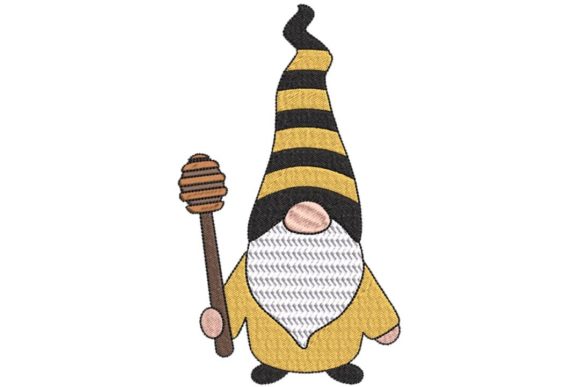
The Gnome Master of Bees design carries a lighthearted, farmhouse-meets-garden aesthetic. The gnome reads as approachable and wise, not overly detailed or fussy, which is exactly what works for craft fair products where customers make quick buying decisions. The bee motif adds a touch of nature and industry, making the design feel purposeful rather than merely decorative. This is not a minimalist design, nor is it overly ornate. It lands in that sweet spot of cute but not childish, rustic but not heavy. For a handmade product displayed on a booth table, this design will catch the eye of shoppers who appreciate gardening, bees, or whimsical home decor. It also fits well within the Food category context if you consider honey and garden themes, and it is clearly an Embroidery design that benefits from quality stitching.
Best Product Applications for Your Booth
Based on my experience testing designs for commercial embroidery production, Gnome Master of Bees works beautifully on a range of items. Here is where I see the strongest selling potential:
- Tote bags – This design shines as a centerpiece on a canvas tote. The gnome and bees create a charming focal point that customers notice immediately. I recommend a medium to large hoop size so the details remain clear. A tote bag design like this sells well at farmers markets and craft fairs because it feels both useful and decorative.
- Aprons – A gardening apron or kitchen apron with this embroidery becomes an instant conversation starter. The apron embroidery placement works best on the chest or a lower pocket. Customers looking for gifts for gardeners or beekeepers will stop at your booth.
- Tea towels – This is a fast-moving product category. A tea towel embroidery featuring the gnome and bees feels fresh and giftable. I suggest using a medium-weight linen or cotton towel. The design reads well even when viewed from a few feet away, which is critical for booth display.
- Embroidered patches – If you offer embroidered patch options, this design can be stitched as a patch and sold separately or attached to caps, bags, and jackets. Patches are low-cost, high-margin items that appeal to craft fair shoppers looking for small treats.
- Caps – A curved cap surface requires careful hoop placement. The design is not overly dense, so it should conform well to a cap front. Test on a scrap cap first to confirm registration.
- Small pouches and fabric pouches – These are excellent for booth add-ons. A small pouch with Gnome Master of Bees makes a quick, affordable gift. The design size should be scaled down carefully to avoid losing the bee details.
- Pillow covers – A decorative pillow cover with this embroidery adds a cozy, handmade touch to any booth display. It also photographs well for Etsy listings.
- Market bags – Reusable market bags with this design appeal to eco-conscious shoppers. The gnome and bees theme ties naturally to sustainable living.
Practical Selling and Production Points
When I evaluate a machine embroidery design for craft fair use, I consider how easily it communicates to a customer. Gnome Master of Bees is highly readable at a glance. The gnome silhouette and the bees are distinct shapes that do not require close inspection to understand. This is a major advantage in a busy booth environment where shoppers scan quickly.
The design works both as a small accent and as a larger focal piece. For a small shop product like a pouch or a cap, the design can be scaled down modestly, though you should verify that the bees remain clear. For a tote bag or apron, a larger size commands attention and justifies a higher price point. I recommend creating at least two size variants for your digital embroidery file to cover different product types.
Photography for online sales is another consideration. This design photographs well on light and medium fabrics. The thread colors pop nicely against natural linen, cotton, and canvas. If you are an Etsy seller, use a printable mockup or photograph your actual finished product in natural light. The whimsical theme attracts engagement from customers who value handmade quality and character.
For batch production, this design is repeatable without excessive thread changes or complex stitch sequences. That means you can produce multiple units efficiently for a craft fair. I suggest stitching a few samples first to confirm the stitch density and thread colors work with your machine. The design does not appear to have extremely dense fill areas, which helps with production speed and reduces needle breakage.
Technical Notes for Embroidery Success
Before you commit to producing Gnome Master of Bees for your booth, here are some careful-use notes based on my own testing process:
- Dense stitch areas – Check the design file for any high-density zones. If the gnome’s hat or beard has heavy satin stitching, use a sharp needle and a quality stabilizer. A tear-away stabilizer works for stable fabrics, but a cut-away stabilizer is better for knits or stretch fabrics.
- Tiny details – The bees are small elements. If you scale the design down significantly, the bee wings and legs may lose clarity. Test at your intended size on scrap fabric before committing to bulk production.
- Small lettering – The product description does not specify included lettering, but if the design has any text, ensure it is at least 6–8mm tall for readability. Small lettering on textured fabrics can become illegible.
- Thick fabric – On heavy canvas or denim, the design may need a larger hoop and a heavier stabilizer. Test tension carefully.
- Textured towels – For tea towel embroidery, use a water-soluble stabilizer on top to prevent stitches from sinking into the weave. This is a common issue with terry or waffle weave towels.
- Curved cap surfaces – Hoop the cap with a cap frame and use a firm stabilizer. The design should not have large continuous fills that might pucker on a curved surface.
- Dark fabric – If you stitch on dark fabric, consider using a light underlay or a white bobbin thread to prevent show-through. This design works best on light to medium background colors where the thread colors contrast well.
Visual Appeal, Customer Attention, and Booth Display
At a craft fair, your booth display must stop shoppers within seconds. Gnome Master of Bees has a strong visual hook because it combines a beloved folk figure (the gnome) with a relatable natural element (bees). This combination feels fresh and timely, especially as gardening and bee conservation remain popular topics. The design reads as premium without being fussy, and it carries a handmade quality that customers associate with care and craftsmanship.
When I display embroidered products at a booth, I group items by theme. I would place Gnome Master of Bees pieces alongside other garden-themed or whimsical designs. A tote bag with this design can be hung on a rack at eye level, while tea towels can be stacked on a table with a sample draped over the edge. The design’s color palette is key: if the embroidery file uses earthy greens, warm browns, and soft yellows, it will complement a natural, farmhouse booth aesthetic. That consistency helps with brand consistency and makes your booth feel curated.
Customer engagement is also influenced by how easy the design is to describe. A shopper can say, “Oh, that gnome is keeping bees!” and immediately connect with the story. This narrative quality increases the likelihood of a sale. For handmade gifts, this design is a safe choice because it appeals to a wide demographic: gardeners, beekeepers, gnome collectors, and anyone who appreciates quirky home decor. I have found that designs with a clear story sell faster than abstract patterns.
Practical Embroidery Designer Notes
Here are the steps I recommend before you offer Gnome Master of Bees as a finished product in your shop or booth:
- Test the design on scrap fabric – Use the same fabric type you plan to sell. Check stitch alignment, thread breaks, and overall appearance.
- Check thread contrast – Ensure the gnome, bees, and any background elements have enough contrast to read clearly. Light thread on dark fabric or vice versa works best.
- Review spacing – Confirm that there is adequate margin around the design for hooping and finishing. Tight spacing can cause fabric distortion.
- Confirm hoop size – The design must fit within your available hoop sizes. If you need to resize, do so in your embroidery software and re-test.
- Inspect stitch density – High-density areas may cause puckering on lightweight fabrics. Adjust density if needed, or use a heavier stabilizer.
- Use the right stabilizer – Match the stabilizer to the fabric. Cut-away for knits, tear-away for wovens, water-soluble for textured or looped fabrics.
- Create at least one real mockup – Stitch the design on an actual product, not just scrap. Photograph it for your Etsy listings and booth display. A real mockup helps customers visualize the finished product.
- Compare fabric colors – Test the design on several fabric colors to see which ones make the design pop. Natural, cream, sage green, and soft yellow are safe bets.
- Confirm commercial licensing – Before selling finished products, verify that your digital embroidery file includes a commercial license. Most design assets from reputable sellers allow you to sell the stitched product, but you should read the terms carefully. If the product description does not specify license terms, contact the seller or check their website.
Final Thoughts on Gnome Master of Bees for Your Handmade Business
Gnome Master of Bees is a strong addition to any craft fair product lineup. It offers a charming, readable design that works on multiple product types, from tote bags and aprons to tea towels and patches. The theme is timely and broadly appealing, which makes it a reliable seller for handmade product businesses. From a technical standpoint, the design appears manageable for commercial embroidery production, provided you test thoroughly and use appropriate stabilizers. As with any machine embroidery design, your success depends on careful preparation, but this design gives you a solid foundation. Whether you are an Etsy seller building a product line or a small shop product maker preparing for a weekend market, Gnome Master of Bees deserves a spot in your booth. Stitch it well, display it proudly, and watch customers smile when they see it.