Leaf Pattern Redwork: A Craft Fair Booth Review
As an embroidery designer who spends more weekends than I care to count behind a craft fair table, I have a strict rule: a machine embroidery design has to earn its place in my production queue. It needs to look good, stitch out well, and most importantly, it needs to sell. I recently added the Leaf Pattern Redwork design to my workflow, and I want to share my honest, boots-on-the-ground review of this digital embroidery file. Let's walk through the booth together and see if it has what it takes to move inventory.
First Impressions: Elegant, Farmhouse, and Approachable
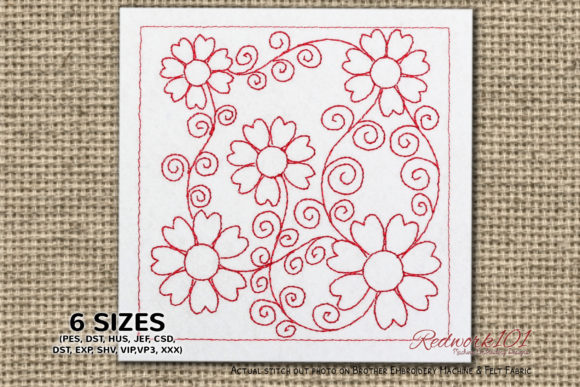
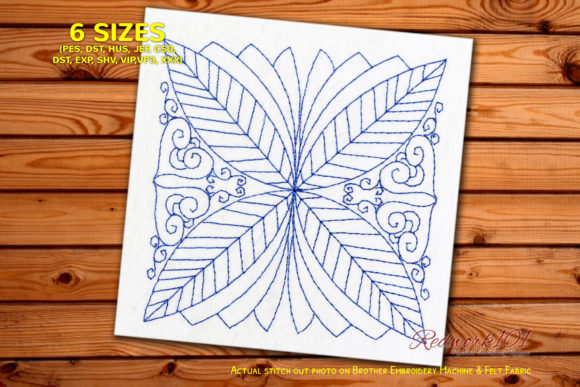
The moment I previewed the Leaf Pattern Redwork embroidery file, I recognized its potential. The "redwork" style immediately gives it a classic, folk-art feel that is deeply rooted in handmade tradition. It is not overly bold or loud. Instead, it feels decorative, soft, and elegant. The fact that it is categorized under Paisley adds a layer of intricate, flowing detail that makes it look far more premium than a standard leaf motif. This combination of redwork simplicity and Paisley complexity creates a versatile design that fits perfectly into the farmhouse, rustic, and even boho-chic aesthetic that dominates modern craft fairs. It is the kind of detail that makes a customer pick up a product and look closer.
Best Products for the Leaf Pattern Redwork Design
Not every design works on every surface. Here is where I believe Leaf Pattern Redwork will generate the most revenue for your small shop product lineup.
Tote Bags and Market Bags
This is your bread and butter application. A tote bag design needs to be a conversation starter, and the high contrast of red thread against natural canvas or cream cotton is a visual magnet. From across the booth, the Leaf Pattern Redwork design draws the eye. It gives a simple canvas tote a "boutique" feel, allowing you to price it higher than a standard screen-printed bag. It functions perfectly as a large, centered focal design.
Aprons and Kitchen Linens
If you are looking for a reliable apron embroidery design, this is a strong contender. The classic redwork style evokes a sense of timeless homemaking. Tea towel embroidery is a staple for a reason, and this design fits beautifully on a standard towel. It has a high perceived value as a gift item, making it a fast seller at holiday markets and farmhouse-themed fairs. The flowing leaves and Paisley accents look particularly striking on a crisp white apron.
Pillow Covers and Home Decor
For home decor, this design adds a touch of handmade elegance without being too modern or too rustic. It hits that "transitional" sweet spot that appeals to a wide range of shoppers. A pillow cover featuring Leaf Pattern Redwork feels like a premium, boutique item. It is a strong product for your booth display because it adds height and texture to your table setup.
Patches, Caps, and Small Pouches
As a smaller accent, such as on a cap or a fabric pouch, the design works well, but you must be mindful of the scaling. If the design is made too small, the intricate Paisley details risk losing clarity. It performs best as a mid-to-large sized focal point. For an embroidered patch, the flowing lines are very forgiving and stitch out beautifully, making it a great option for sew-on or iron-on products.
Production Reality Check: Stitch Density and Hoop Size
Before you load your machine, let's talk about the technical side of this craft fair product. Redwork often relies on satin stitches and tight running stitches to create its intricate look. This means the stitch density can be surprisingly high. You must check the specifications of your specific embroidery file.
A highly dense design can cause puckering on lightweight fabrics. It will perform beautifully on medium-weight fabrics like cotton twill, linen, or quality canvas. Ensure you have the correct hoop size to accommodate the full design without needing to re-hoop, as re-hooping can distort the delicate Paisley flow. I always recommend hooping the fabric with a high-quality stabilizer—a cutaway stabilizer is non-negotiable for a tote bag or apron that will see heavy use.
Critical Design Warnings for the Embroidery Business
As an Etsy seller or small business owner, the last thing you want is a product that fails in the middle of a production run. Here are my careful-use notes for Leaf Pattern Redwork:
- Fabric Texture: Avoid stitching this on highly textured fabric textures like thick terry towels or heavy fleece unless you use a water-soluble topper. The loops can easily get caught in the dense satin stitches, ruining the clarity of the design.
- Dark Fabric: While this is a redwork design, if you stitch it on dark fabric, you must use a high-quality thread that covers well. You may need a second layer of stabilizer or a bobbin thread that matches the top thread to prevent the dark fabric from showing through the stitches.
- Small Details: The Paisley swirls contain tiny details that can easily turn into a thread nest if the machine is running too fast or the tension is off. Always test the design on scrap fabric first. Inspect the stitch-out for any skipped stitches or distortion.
- Commercial Licensing: Before you start selling the finished product, confirm the commercial embroidery licensing of the digital embroidery file. Some licenses restrict the number of items you can sell, or require a specific type of license. Protect your handmade product business by knowing the terms.
How to Sell Leaf Pattern Redwork Finished Products
To maximize your sales, you need to leverage the visual strength of this design. The high contrast of red thread on light fabric makes it incredibly photogenic. For your online shop, take clear, bright photos. Include a close-up shot that shows the texture of the stitches. This is what sells the "handmade" quality.
Use the embroidery file to create a printable mockup. Show the design on a rendered tote bag or apron. This helps customers visualize the finished product in their own home. Good design assets are worth their weight in gold for an Etsy seller.
For your craft fair product booth, group your redwork items together. The repetition of the red thread creates a cohesive and visually striking booth display. It signals to the customer that you are a serious, professional maker. This builds brand consistency and encourages larger purchases.
Final Verdict for Craft Fair Sellers
Leaf Pattern Redwork is a versatile and commercially viable machine embroidery design. It has a classic appeal that translates well into tote bag design, apron embroidery, and home decor. It is not a novelty item that will fade in popularity; it is a staple that offers high perceived value and strong customer engagement.
My advice is simple: test it thoroughly on your chosen fabric, watch the stitch density, and create a dazzling display around its elegant, redwork charm. This design has the potential to be a consistent performer in your small shop product lineup. It earns my recommendation as a reliable and beautiful addition to your commercial embroidery offerings.