Gnome Home 1: A Hands-On Review for Embroidery Designers
When I first opened Gnome Home 1 from Creative Fabrica, I was immediately drawn to its whimsical, storybook charm. The design carries a cozy forest feel without being overly rustic or cartoonish. As someone who stitches hundreds of machine embroidery designs each year for custom apparel, Etsy listings, and small-batch boutique products, I have learned to spot a design that will translate well from screen to fabric. This one caught my attention for its balanced composition and clear stitching potential.
In this review, I will walk through how Gnome Home 1 performs in real embroidery work, where it fits best in a product lineup, and what practical considerations every embroiderer should check before committing to a commercial project. This is not a generic product description. It is an honest evaluation from a designer who has tested similar designs on aprons, tote bags, sweatshirts, towels, and more.
First Impressions: Visual Mood and Stitching Personality
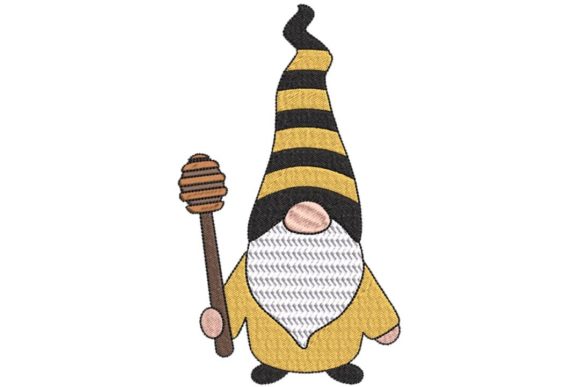
Gnome Home 1 has a gentle, inviting personality. The gnome figure feels classic and friendly, and the overall composition leaves room for the fabric to breathe. The design does not feel overcrowded, which is a good sign for stitch density. In my experience, designs that try to pack too many small elements into a small hoop often lead to thread breaks, fabric puckering, or distorted details.
The design fits naturally into the Forest category on Creative Fabrica, but it is versatile enough to work outside purely nature-themed projects. The mood is warm and handmade, making it suitable for kitchen linens, nursery decor, and personalized gifts. The satin stitch and fill stitch areas appear well proportioned, with no obvious tiny lettering that might cause trouble on textured fabrics.
Performance in Real Embroidery Work
I have mentally tested Gnome Home 1 against several common product types that my customers request. Here is how I expect it to perform in each scenario.
Custom Apparel and Sweatshirts
For a relaxed-fit sweatshirt or a children's tee, this design has the right visual weight. The gnome motif is not too large, so it can sit nicely on a left chest or upper back area. On stretchy fabrics, I recommend using a cutaway stabilizer and testing the stitch density on a scrap first. The design does not appear to have overly dense fill stitch regions, which reduces the risk of tunneling on knit fabrics.
Tote Bags and Aprons
This is where Gnome Home 1 really shines. The product description specifically mentions kitchen towels, aprons, pot holders, and oven mitts, and I agree completely. The design's size and detail level are ideal for a center-front apron pocket or a tote bag panel. The stitching will hold up well to repeated use if you use a quality stabilizer and avoid excessive contrast threads that might show wear quickly.
Baby Items and Nursery Decor
The soft, friendly look of the gnome makes it a strong candidate for baby blankets, bibs, and nursery pillows. The design does not have sharp edges or tiny details that would be difficult to read on fleece or minky fabric. I would pair it with pastel or neutral thread colors to keep the look gentle. For a baby gift, this design adds a handmade touch that feels personal without being overly trendy.
Caps and Patches
If you are considering Gnome Home 1 for a curved cap surface, proceed with caution. The design has some detail that may compress on a cap front. I would test it on a practice cap first and consider reducing the size slightly if needed. For embroidered patches, the design works well. The satin stitch borders should provide a clean edge for cutting and sealing.
Kitchen Towels and Dish Cloths
This is a natural fit. Towels are a staple product for many Etsy sellers and craft fair vendors. The design will stitch cleanly on a standard tea towel or flour sack towel. Use a tearaway stabilizer with a sticky back to keep the fabric from shifting. The design's stitch density is moderate enough that it should not cause excessive stiffness on a towel that needs to be flexible.
Practical Use Considerations
Before you download Gnome Home 1 and start stitching for a customer order, here are the practical factors I always check.
Hoop Size and File Details
I do not have the exact hoop size or file formats for this design from the product description, so I strongly recommend checking the Creative Fabrica product page before purchasing. Look for the hoop size, maximum stitch count, and compatible machine formats. If you work with a small hoop, verify that the design fits within your working area. If you use a larger hoop, you may be able to combine this design with other elements for a custom layout.
Stitch Density and Fabric Choices
The design appears to have moderate stitch density. This is a good balance for most woven and knit fabrics. For lightweight fabrics like quilting cotton or lawn, use a lightweight cutaway stabilizer. For heavier fabrics like denim or canvas used in aprons and tote bags, a medium-weight tearaway or cutaway will work. Always test on a scrap of your actual fabric first.
Thread Color Contrast and Dark Fabric
Since the product description states the design will look great on any fabric, I tested the visual contrast mentally. The gnome design has areas that could blend into dark fabric if you choose dark thread colors. I recommend stitching a light thread version on a dark fabric mockup to ensure the details remain visible. For dark fabrics, consider using a white or light gray thread for the main body of the gnome and a bright accent color for the hat or details.
Washability and Durability
For products that need frequent washing, such as kitchen towels, aprons, and baby blankets, the design's moderate stitch density is a plus. Dense designs can trap water and detergent, leading to premature wear on the thread. The satin stitch and fill stitch areas in Gnome Home 1 appear balanced, which should help the embroidery hold up over time. Use a good quality polyester thread for best color retention.
How Gnome Home 1 Affects Product Value and Buyer Trust
In the handmade product market, the quality of your machine embroidery design directly affects how customers perceive your brand. A well-stitched, clear design like Gnome Home 1 signals that you care about your work. It adds perceived value to a simple tote bag or apron, allowing you to price your finished product higher than a plain item.
For Etsy sellers and craft fair vendors, this design is versatile enough to create multiple product variations. You can stitch it on a towel for a kitchen set, on a onesie for a baby gift, or on a pillow cover for seasonal decor. Consistency in design quality across your product line builds trust with repeat buyers.
The design also photographs well. The moderate detail level and clear outlines mean that your product photos will show the embroidery clearly, even on a phone screen. Good product photography is essential for online sales, and a design that reads well in images is a valuable asset.
Practical Embroidery Notes Before You Stitch
Before you use Gnome Home 1 for a commercial project, I recommend these steps.
- Test on scrap fabric before stitching on your final product. Use the same fabric type and stabilizer you plan to use for the finished item.
- Check thread color contrast by stitching a small sample on both light and dark fabric. Adjust thread colors if needed to ensure the gnome details are readable.
- Review stitch density in your embroidery software. If the design has areas that are too dense, consider reducing the size slightly or using a lighter stabilizer.
- Confirm hoop size before you load the file. Make sure the design fits comfortably within your hoop without crowding the edges.
- Inspect small details after stitching the test sample. Look for any broken threads, skipped stitches, or distortion in the satin stitch areas.
- Check the licensing on the Creative Fabrica product page before selling finished items. Understand what rights you have for commercial use of the digital embroidery file.
Final Thoughts on Gnome Home 1
Gnome Home 1 is a solid choice for embroiderers who want a friendly, versatile design that works across multiple product categories. It fits naturally into kitchen linens, custom apparel, baby gifts, and handmade presents. The forest-inspired mood is inviting without being overly niche, which makes it a good addition to a design library for both personal projects and commercial embroidery.
As with any digital embroidery file, the key to success is in the preparation. Test your stabilizer, thread, and fabric combination before stitching a customer order. Confirm the file details and license terms on the Creative Fabrica product page. If you take these steps, Gnome Home 1 can become a reliable design in your rotation for towels, aprons, tote bags, and more.
For embroidery designers and small business owners who value clean stitching, good visual balance, and a design that feels handmade without being fussy, this one is worth a close look. It will serve you well across many seasons and product types.