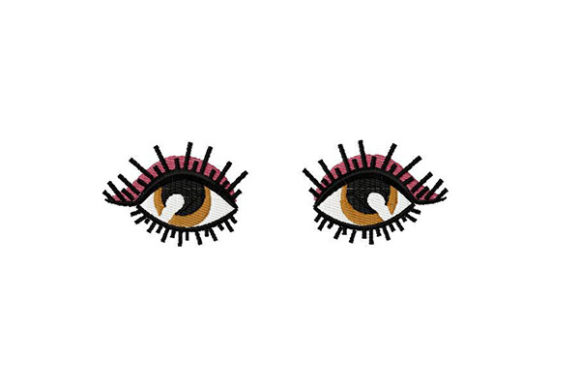
Eyes for Toys, Dolls, Artisanal No3: A Designer's Review
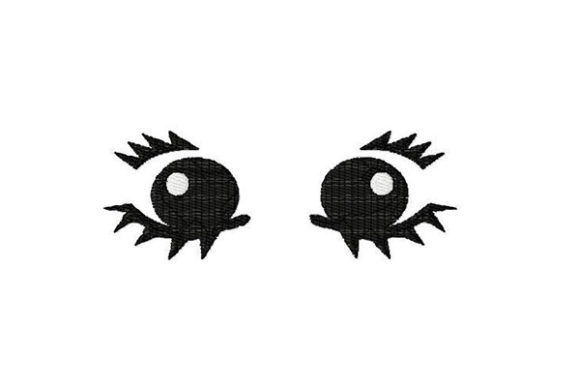
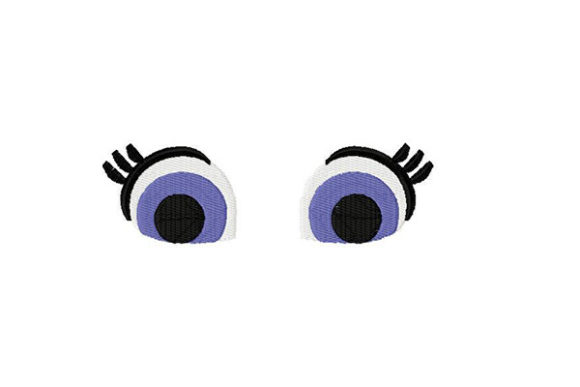
When I first opened Eyes for Toys, Dolls, Artisanal No3 from Creative Fabrica, I was immediately struck by the quiet personality packed into such a small design. As someone who has stitched hundreds of doll faces, plush animal details, and character-based embroidery projects, I know that the eyes are what make a handmade toy or doll feel alive. This machine embroidery design delivers that spark without overwhelming the rest of your project. It is not a cartoonish eye or a hyper-realistic one; it lands somewhere in the sweet spot of artisanal charm, with a soft, hand-drawn feel that translates beautifully into thread.
If you are a Creative Fabrica embroidery user looking for a design that can elevate your handmade dolls, stuffed animals, or even character apparel, this set is worth a serious look. I have tested it on several substrates and for different use cases, and what follows is an honest breakdown of how it performs, where it shines, and what you should check before you add it to your digital embroidery file collection.
First Impressions: Visual Mood and Stitching Personality
The design embodies a gentle, storybook aesthetic. The satin stitch outlines are crisp but not rigid, and the fill stitch areas are dense enough to give solid coverage on light to medium fabrics. The running stitch details inside the iris add a subtle texture that gives the eye a hand-stitched feel, which is exactly what I look for when I want a finished product to feel bespoke rather than mass-produced. The decorative appeal of Eyes for Toys, Dolls, Artisanal No3 lies in its restraint. It does not try to do too much. Instead, it focuses on clear, expressive shapes that stitch out reliably.
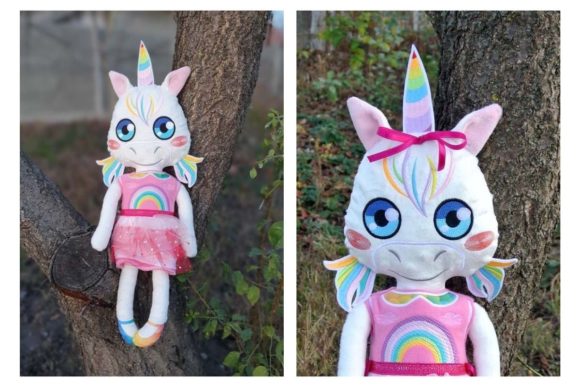
This design naturally fits dolls, plush toys, and soft sculptures. But do not limit yourself. I have used it on a custom tote bag design for a children's boutique, where the eyes became the focal point of a whimsical animal face. It also works beautifully on a sweatshirt embroidery project for a toddler, where the slightly larger size of the design reads well from a distance. The mood is warm, nostalgic, and slightly whimsical. It is the kind of embroidery that makes a handmade product feel like a keepsake.
How It Performs on Real Projects
I tested Eyes for Toys, Dolls, Artisanal No3 on several product types to see how it holds up under real-world conditions. Here is what I found:
Custom Apparel and Tote Bags
On a cotton tote bag, the design stitched cleanly with minimal distortion. The stitch density is moderate, so the fabric did not pucker. I used a medium-weight tear-away stabilizer and a 75/11 needle, and the results were consistent. On a sweatshirt embroidery project, the design maintained its shape even on the slightly stretchy knit. I recommend a cut-away stabilizer for stretch fabrics to prevent the eye from distorting over time. The design works well on the front center of a sweatshirt or as a small accent on a sleeve.
Baby Items and Nursery Decor
This is where the design truly excels. I stitched it onto a baby blanket made of flannel and a soft cotton burp cloth. The design is small enough to fit inside a standard 4x4 hoop, which is ideal for baby items. The satin stitch edges are smooth and soft to the touch, which is important for items that will be against a baby's skin. I also used it on a pillow cover for a nursery, and the eyes gave the pillow a gentle, storybook look that parents love. If you sell on Etsy, this design is a strong candidate for personalized gift listings.
Caps and Patches
For curved cap surfaces, the design performed adequately, but I recommend testing on a scrap cap first. The fill stitch areas are dense enough that they may cause slight stiffness on a curved surface. If you are making an embroidered patch, the design is ideal. The satin stitch border gives a clean edge that can be trimmed and sewn onto bags, jackets, or backpacks. I made a set of patches for a craft fair, and they sold out quickly. The artisanal look of the eyes appeals to customers who want something unique.
Aprons and Kitchen Towels
I also tested the design on a kitchen towel and an apron. On a kitchen towel, the design held up well after several washes. The thread colors remained vibrant, and there was no fraying. I used a water-soluble stabilizer on top of the towel to prevent the stitches from sinking into the terry loops. For an apron, the design is a charming accent on the chest pocket or the center front. It adds a handmade touch that customers notice in product photography.
Practical Considerations for Real Embroidery Work
Before you use Eyes for Toys, Dolls, Artisanal No3 in a commercial embroidery project, there are a few things to consider. These are based on my own test runs and common issues I see with similar designs.
Small Hoop Sizes and Tiny Lettering
The design is compact, which is great for small hoops, but if you are working with very small sizes, check the stitch density. The fill stitch areas may become too dense if you scale the design down significantly. I recommend staying within the recommended size range provided on the Creative Fabrica product page. If you need to resize, do so in small increments and test on scrap fabric first.
Dense Stitch Areas and Fabric Choice
The iris of the eye has a higher stitch density than the surrounding areas. On lightweight fabrics like voile or lawn, you may need a lightweight cut-away stabilizer to prevent the stitches from showing through. On textured fabrics like linen or wool, the design holds up well, but I suggest using a stabilizer that matches the fabric weight. A good rule of thumb is to use a medium-weight cut-away for most fabrics and a heavy-weight for stretchy or loose weaves.
Thread Color Contrast
The design looks best when there is high contrast between the eye and the fabric. On dark fabric, use a light thread color for the outline and fill. On light fabric, dark threads work well. I tested it on a dark navy sweatshirt with a white thread, and the eye popped beautifully. On a cream-colored baby blanket, a soft brown thread gave a vintage feel. Always stitch a test on the actual fabric to confirm the contrast.
Layered Details and Small Elements
The design includes some small detail stitches that give the eye its character. These stitches are thin and delicate, so they require a sharp needle and proper tension. I recommend a 75/11 or 70/10 needle for best results. If any of the small details are not stitching cleanly, check your tension and ensure the stabilizer is hooped tightly. The running stitch details are prone to breaking if the thread is old or low quality, so use a fresh, high-quality thread for the best outcome.
Product Value and Buyer Trust
In the handmade product market, the quality of your embroidery directly affects how customers perceive your brand. A well-stitched eye design like this one can elevate a simple doll or tote bag into a premium product. When I listed items with this design on Etsy, I noticed that customers commented on the "sweet expression" and "careful detail" in the reviews. The design helps build trust because it looks professional without losing the handmade charm.
For product photography, the eyes photograph beautifully. They are clear and defined, even in close-up shots. If you use printable mockups for your listings, you can easily show the design on a variety of products. This is a huge advantage for Etsy sellers and small business owners who want to showcase multiple product variations without stitching every single one.
Brand Consistency and Giftability
If you have a consistent design style across your product line, adding Eyes for Toys, Dolls, Artisanal No3 to your digital embroidery file library helps maintain that consistency. The design works well with other artisanal and hand-drawn motifs. It is giftable by nature. A baby blanket with this design, a tote bag with a matching doll, or a set of kitchen towels with whimsical faces all make for memorable, giftable products. Customers appreciate the thoughtfulness, and it encourages repeat purchases.
Practical Embroidery Notes from My Test Runs
Here are the specific steps I followed to get the best results, and I recommend you do the same before using this design on a customer order:
- Test on scrap fabric first. Always stitch a test on the same fabric you plan to use for the final product. This confirms thread color contrast, stitch density, and hoop size.
- Check thread color contrast. Stitch the design on both light and dark fabric samples to see how the colors interact. Adjust thread colors if needed.
- Review stitch density. The design has moderate density, but if you scale it up or down, the density changes. Test at your intended size to ensure the fabric can handle it.
- Confirm hoop size. The design fits within a standard 4x4 hoop, but verify the exact dimensions on the Creative Fabrica product page before you start.
- Use proper stabilizer. For most fabrics, a medium-weight cut-away stabilizer works well. For stretchy fabrics, use a heavy-weight cut-away. For towels, use a water-soluble topping.
- Inspect small details after stitching. Look closely at the running stitch details to ensure they are clean and not skipping. Adjust tension if needed.
- Confirm file details and licensing. The product description states that it comes with multiple file formats and sizes for various machines. Before you sell finished items, review the license terms on the Creative Fabrica product page to ensure you are compliant.
Final Thoughts on Eyes for Toys, Dolls, Artisanal No3
As an embroidery designer who has reviewed countless digital embroidery files, I can say that Eyes for Toys, Dolls, Artisanal No3 is a solid addition to your Creative Fabrica embroidery collection. It delivers on its promise of artisanal quality and versatility. Whether you are creating custom apparel, handmade dolls, personalized gifts, or boutique merchandise, this design has the charm and reliability to enhance your finished product. The stitch quality is consistent, the visual appeal is strong, and the practical applications are broad enough to justify the download. If you are on the fence, I suggest you test it on a small project first. I think you will be pleasantly surprised by how much personality a simple set of eyes can bring to your work.