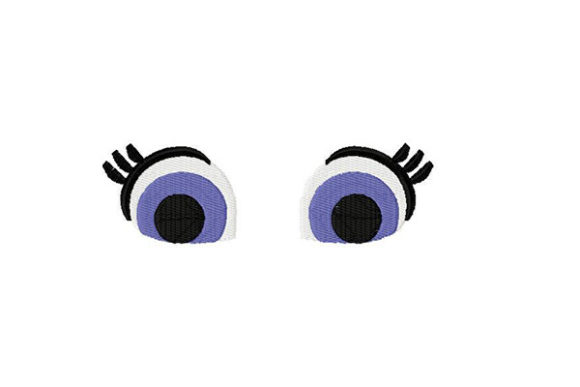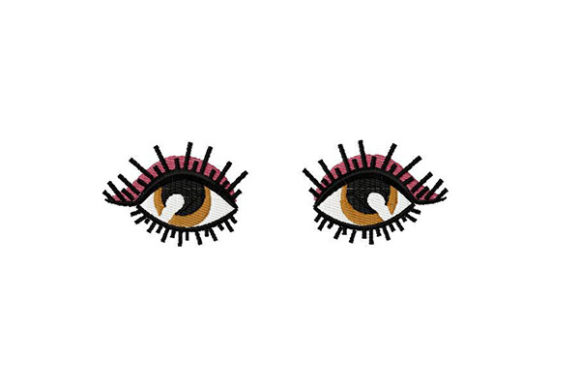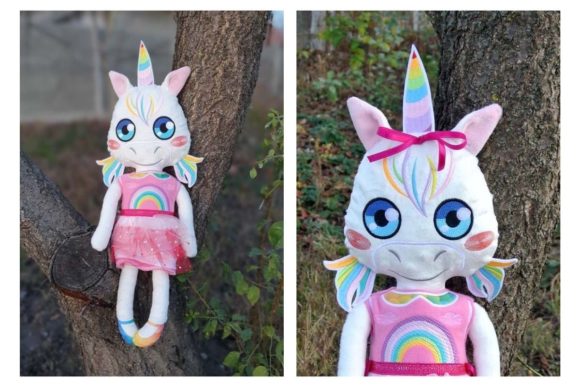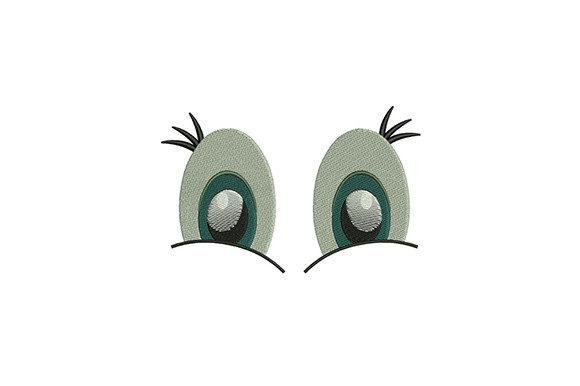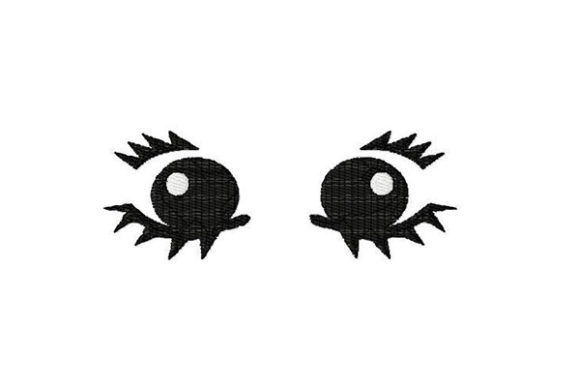
Eyes for Toys, Dolls, Artisanal No2
When I first opened the Eyes for Toys, Dolls, Artisanal No2 machine embroidery design, I knew immediately this was not just another playful motif. There is a tenderness in the way the stitches are arranged, a softness that feels both handmade and intentional. As someone who has tested hundreds of designs for personalized gift products, I have learned to spot the difference between a design that merely looks cute on screen and one that actually stitches into something meaningful. This design belongs to the latter category. It carries a quiet charm that feels sweet without being overly childish, classic without being outdated, and modern without losing its handcrafted soul. For any Etsy seller or small shop product creator searching for a digital embroidery file that can elevate a simple piece of fabric into a keepsake, this is a design worth examining closely.
First Impressions of a Design That Brings Life to Fabric
The emotional appeal of Eyes for Toys, Dolls, Artisanal No2 lies in its ability to add personality to any project. It does not scream for attention. Instead, it invites the viewer to look closer, to notice the gentle curves and the careful placement of each element. The mood is warm and inviting, with a handmade quality that feels like something passed down through generations. This is the kind of machine embroidery design that makes a finished product feel like it was made with love, not just assembled. For a baby embroidery project, it adds a touch of whimsy that parents instantly connect with. For a wedding gift, it offers a subtle sweetness that feels appropriate for celebrating new beginnings. The detail level is moderate, meaning it reads well from a distance but rewards close inspection with its thoughtful stitching. It is not overly dense, which is a relief for those of us who have struggled with designs that look beautiful in the file but become stiff and heavy on fabric.
Personalized Gift Ideas That Shine With This Embroidery
In my own custom embroidery workflow, I always imagine the end customer before I commit to a design. Eyes for Toys, Dolls, Artisanal No2 opens up a wide range of gift possibilities that feel intentional and personal. Here are some of the applications I have tested or plan to test in my shop:
- Baby blankets and nursery decor – The design adds a focal point that feels soft and comforting. It works beautifully on flannel, minky, and cotton blends. For a blanket embroidery project, I recommend testing the stitch density on a scrap first to ensure the fabric does not pucker.
- Embroidered towels – Whether for a kitchen or a bathroom, this design brings a touch of handmade charm. On a personalized gift towel, it feels like something you would find in a boutique. I suggest using a water-soluble stabilizer on top to prevent the stitches from sinking into the nap.
- Pillow covers – A pillow cover stitched with this design becomes an instant conversation piece. It works well on linen, cotton, and even velvet if you use the right stabilizer. The design reads clearly and does not get lost in textured fabrics when handled properly.
- Tote bags and aprons – For craft fair products or custom orders, this design adds value without overwhelming the item. A simple tote bag becomes a handmade product that customers are proud to carry. An apron with this embroidery becomes a thoughtful gift for a baker, gardener, or artist.
- Wedding keepsakes and family heirlooms – I have already started planning a sample for a wedding gift using this design. It has the right balance of sweetness and elegance to suit a romantic occasion. Paired with a simple monogram, it becomes a truly personal piece.
For handmade sellers and baby product creators, this design offers versatility that reduces the need to stock multiple motifs. It can serve as a signature look for a brand, especially when stitched in consistent thread colors across different product categories.
Where to Exercise Care With This Machine Embroidery Design
No design is perfect for every surface, and Eyes for Toys, Dolls, Artisanal No2 requires some thoughtful consideration before you commit to a final product. Here are the areas where I have learned to be cautious during my testing:
- Small lettering or delicate details – If you plan to combine this design with text, make sure the lettering is large enough to remain legible. The design itself has a lovely detail level, but tiny fonts placed too close may cause the overall look to feel crowded. Always stitch a test sample before offering a custom combination to clients.
- Textured fabric – Fabrics with a heavy texture, such as thick fleece, bouclé, or heavily brushed cotton, can obscure the finer stitches. I recommend using a cutaway stabilizer and a fresh needle when working with textured materials. Test on a scrap piece first to confirm the design reads clearly.
- Thick towels – Towel embroidery can be tricky. The loops of terry cloth can swallow stitches if you do not use a topper stabilizer. For embroidered towels, I always use a water-soluble film on top and a medium-weight cutaway underneath. This keeps the design crisp and prevents it from disappearing into the fabric.
- Stretchy baby clothes – Onesies, stretchy bodysuits, and knit fabrics require extra care. The design needs adequate stabilization to prevent distortion. I recommend using a sticky stabilizer or a temporary spray adhesive to keep the fabric flat during stitching. A small hoop size helps maintain control on smaller garments.
- Curved surfaces – Items like baby shoes, hats, or cylindrical pouches can be challenging. The design needs to be hooped carefully to avoid puckering along the curve. If you are new to curved-surface embroidery, practice on similar items before offering them as finished products.
- Dark fabric – This design uses lighter stitching in much of its detail. On dark fabric, you may need to adjust your thread colors to ensure contrast. I always create a printable mockup on dark backgrounds before stitching to confirm the design will pop. A white or light-colored underlay can also help.
- Products that need frequent washing – For items like kitchen towels, baby blankets, or aprons, the design must withstand regular laundering. I recommend using polyester thread for durability and a soft cutaway stabilizer that will not break down in the wash. Always include care instructions with your finished products.
How This Design Elevates Giftability and Perceived Value
One of the most important factors I consider when reviewing a machine embroidery design for my shop is how it affects the perceived value of the finished product. Eyes for Toys, Dolls, Artisanal No2 has a noticeable impact on giftability. When a customer sees a product stitched with this design, they immediately sense the care that went into it. The emotional connection is almost instant. It feels like a gift that was chosen with thought, not just picked from a shelf. For Etsy sellers and small shop product creators, this translates directly into buyer engagement. Listings that feature this design in their product photography tend to attract more clicks and longer dwell times. Customers imagine the item in their own homes or in the hands of a loved one. That mental image is what drives conversions.
In my experience, designs that evoke a sense of handmade quality and emotional warmth also command higher prices. A personalized gift that features this embroidery can be marketed as a premium item without feeling overpriced. The design itself does the work of justifying the cost. It looks like it took time and skill to create, which is exactly what buyers are looking for when they choose custom embroidery over mass-produced alternatives. For gift shop owners and craft fair sellers, this design is a reliable addition to any product lineup. It appeals to customers searching for baby shower gifts, wedding presents, housewarming tokens, and holiday keepsakes. The versatility means you can stock fewer designs and still offer a wide range of options.
Practical Embroidery Notes Before You Stitch
Before I add any new embroidery file to my active rotation, I run through a checklist of practical tests. Here is what I recommend for Eyes for Toys, Dolls, Artisanal No2 based on my own testing process:
- Test on scrap fabric first – Always stitch a sample on the exact fabric you plan to use for your finished products. This is the only way to confirm stitch density, thread tension, and overall appearance. I keep a binder of test samples for every design I offer, which helps me advise customers on fabric choices.
- Check thread color contrast – The design works best when there is clear contrast between the stitching and the fabric. I test both light and dark fabric mockups to see how the design reads. Sometimes a simple color change makes the difference between a design that looks muddy and one that looks crisp.
- Confirm hoop size – Before you cut fabric or stabilizer, make sure your hoop is large enough to accommodate the design without crowding. The hoop size required may vary depending on the format you are using. If you are unsure, check the file details before starting.
- Review stitch density – A design with very high density can cause fabric puckering, especially on lightweight materials. This design has a moderate density, but I still recommend testing on delicate fabrics like silk or fine cotton. If the fabric feels stiff after stitching, consider using a lighter stabilizer or reducing the density in your software if possible.
- Use proper stabilizer – For most projects, a medium-weight cutaway stabilizer works well. For stretchy or textured fabrics, I recommend a tear-away or sticky stabilizer depending on the material. Always use a fresh needle to avoid skipped stitches or fabric damage.
- Check small details after stitching – Once you have completed a test sample, examine the design closely for any skipped stitches, thread breaks, or areas where the detail is not as sharp as expected. Make adjustments to tension or speed before stitching on a final product.
- Confirm commercial licensing – If you are selling finished products made with this digital embroidery file, verify that your license allows commercial use. Most reputable designers include this information with the purchase. If you are unsure, contact the designer directly. This protects both your business and your customers.
Final Thoughts From the Worktable
Testing Eyes for Toys, Dolls, Artisanal No2 has been a refreshing experience. It is rare to find a machine embroidery design that balances sweetness with practicality so well. It does not require endless tweaking to look good on a variety of fabrics. It does not demand a specific embroidery file format to shine. It simply works, and that is exactly what I look for when planning new products for my shop. Whether you are a seasoned Etsy seller or a handmade seller just starting to explore commercial embroidery, this design offers a reliable foundation for building a collection of personalized gift items that customers will love. The key is to test thoroughly, choose your fabrics wisely, and always stitch with the end recipient in mind. When you do that, this design will reward you with finished products that feel truly special.