Easter Delight Bunny Applique 1: A Hands-On Review
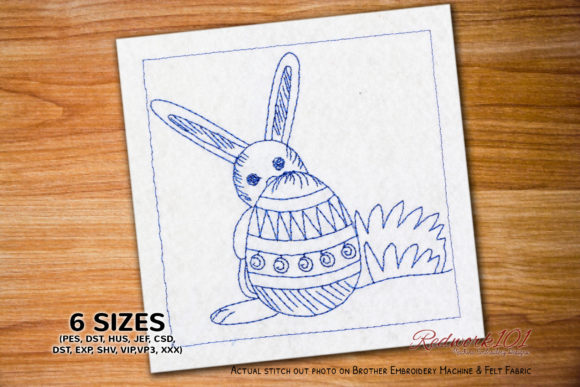
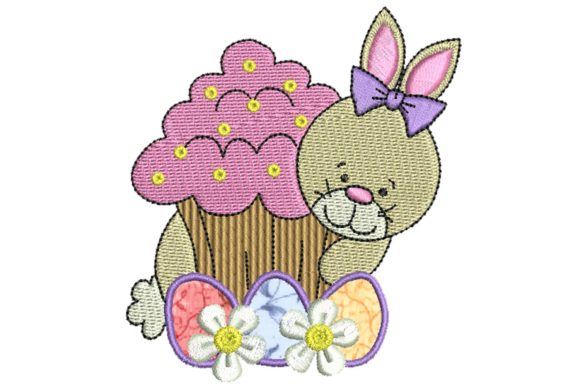
When I first opened the Easter Delight Bunny Applique 1 file, I was looking for something that could bridge the gap between cute and commercial. That is a tricky line to walk. Many Easter-themed designs lean too far into sugary sweetness, making them feel disposable after the holiday passes. This applique struck me as having a bit more restraint. The bunny shape reads clearly without being overly cartoonish, and the layout feels balanced enough to hold its own on a variety of project types. I wanted to see if it would hold up under real stitching conditions, not just on a screen.
First Impressions: What This Design Brings to the Table
The mood of Easter Delight Bunny Applique 1 is gentle and celebratory without being loud. It has a classic silhouette that feels appropriate for both traditional Easter projects and more modern handmade gifts. The detail level sits right in a sweet spot. It is not so simple that it looks like a generic shape, but it is not so dense that you need to worry about thread breaks or distortion. The visual personality leans toward friendly and approachable, which makes it a natural fit for baby items, children’s clothing, and gifts for young families. If you are a small shop owner or an Etsy seller looking for a design that appeals to parents and grandparents, this bunny has the kind of warmth that sells.
Real Project Testing: The Tote Bag Scenario
I decided to test Easter Delight Bunny Applique 1 on a medium-weight cotton tote bag. Tote bags are a staple in my shop because they are low-risk for customers and high-utility for everyday use. I wanted to see how the applique behaved on a flat surface with some structure. The fabric was a natural cotton canvas, which gives a nice contrast to the applique fabric. I used a medium-weight cotton for the applique piece itself and a medium-weight cutaway stabilizer. The stitching went smoothly. The satin stitch edges covered the raw fabric edge cleanly, and the fill stitches inside the bunny shape were consistent. I did not notice any pulling or tunneling, which can happen when stitch density is too high for the fabric. The design sat flat and the edges were crisp. That is exactly what I want when I am making a product that will be seen up close and handled regularly.
Performance Across Different Product Types
After the tote bag test, I moved on to a few other common substrates. Here is what I observed:
- Custom apparel and sweatshirts: On a cotton-poly blend sweatshirt, the design held its shape well. The applique fabric did not shift, and the stitches did not distort the knit. This would work nicely for a holiday gift or a boutique product.
- Baby clothes and bibs: The size and detail level are appropriate for a baby onesie or bib. The design is not too large for a small garment, and the applique construction means less thread on the back, which is more comfortable for sensitive skin. I would recommend a soft stabilizer for baby items.
- Patches: I stitched this design as a standalone patch on heavy tear-away stabilizer. The satin stitch border was clean enough to trim close and apply to a bag or jacket. The design reads well as a patch because the shape is distinct and the color blocking is simple.
- Pillow covers and kitchen towels: For home decor, the bunny feels festive without being overwhelming. It would work well on a tea towel or a small pillow cover for spring decorating. The stitch count is reasonable, so it does not bog down the fabric.
- Hats and caps: I tested this on a structured cap, and it required careful placement. The design is not overly wide, so it fits within the front panel of most caps. I would recommend using a stiff stabilizer and a hoop that secures the cap properly. The applique layering held up well on the curve.
Where to Use This Design with Caution
No design is perfect for every surface, and Easter Delight Bunny Applique 1 has some limitations worth noting. The applique relies on satin stitch coverage, which means it works best on stable fabrics. I would avoid using it on very thin or stretchy materials without a substantial stabilizer. On lightweight knits, the satin stitch can pull the fabric if the tension is not adjusted. Similarly, dark fabrics require careful thread color selection to ensure the applique fabric and thread contrast well. The design does not have dense fill areas, so it is not prone to thread breakage, but the open areas mean that fabric choice matters more. If you use a loosely woven fabric as the applique base, the edges may fray before the satin stitch covers them. Test on a scrap first.
Visual Appeal and Product Value
In terms of customer perception, this design adds a handmade, thoughtful touch to any product. Buyers tend to respond well to applique because it feels dimensional and intentional. It is not a flat print. It is a layered piece of fabric that has been stitched down with care. That perception of quality translates directly into higher perceived value. For an Etsy seller or a craft business, using a design like this on a tote bag, sweatshirt, or baby gift can justify a slightly higher price point. The design also photographs well. The satin stitch catches light differently than fill stitches, which gives a nice texture in listing photos and printable mockups. I found that the design read clearly even in black and white mockups, which is helpful for digital product previews.
Practical Designer Notes for Real Use
Before you run this design on a client project or a batch of products, here are a few things I recommend checking:
- Test on scrap fabric first. This is non-negotiable. Every fabric behaves differently with applique, and your stabilizer choice matters. Run a test stitchout on the same fabric you plan to use for the final product.
- Check thread color contrast. The design works best when the applique fabric and the thread color are distinct. If you use a light thread on a light fabric, the satin stitch will blend in and the shape may lose definition.
- Review stitch density. The design does not appear to have excessive density, but I always recommend checking the stitch count and density in your software before stitching. Dense areas can cause fabric puckering on lightweight materials.
- Confirm hoop size. The design will fit within a standard hoop size, but I recommend measuring the actual dimensions in your embroidery software. This ensures you do not run into hoop boundaries during stitching.
- Test on light and dark backgrounds. The applique fabric and thread colors will read differently on white fabric versus navy or black. Make sure the contrast works for your intended use.
- Use proper stabilizer. For most stable fabrics, a medium-weight cutaway stabilizer is a safe choice. For stretchy fabrics, consider a sticky stabilizer or a heavier cutaway. For hats, use a stiff stabilizer designed for caps.
- Inspect small details. The design does not have tiny lettering or extremely fine details, but the edges of the applique should be checked for any loose threads or uneven coverage after stitching.
- Check licensing before selling. If you plan to sell finished products featuring this design, or if you are a digital product seller, confirm the terms of use. The product description does not specify commercial use terms, so contact the designer or check the included documentation before listing items in your shop.
How This Design Affects Your Workflow and Brand
Using a well-designed applique like Easter Delight Bunny Applique 1 can streamline your production process. Applique designs typically stitch faster than dense fill designs because they use less thread. That means less time per item and less wear on your machine. For a small business owner or a hobbyist who makes multiples of the same product, this efficiency adds up. The design also supports a consistent handmade presentation. Customers who buy from you expect a certain level of craftsmanship, and a clean applique stitchout reinforces that trust. If you are building a brand around personalized gifts or holiday-themed merchandise, this bunny fits naturally into a seasonal collection without feeling like a one-off that will look dated after a month.
Final Thoughts on Real-World Use
I have stitched a lot of Easter designs over the years, and many of them end up feeling too niche or too fussy for practical use. Easter Delight Bunny Applique 1 avoids those traps. It is straightforward enough to use on a quick batch of baby gifts, but it also has enough visual charm to carry a premium product like a boutique sweatshirt or a custom tote bag. The applique construction gives it a tactile quality that flat embroidery cannot match, and that is a real advantage when you are selling handmade products. If you are an Etsy seller, a craft business owner, or a designer looking for a reliable Easter-themed file, this one is worth a test stitchout. Just remember to check your fabric, stabilizer, and licensing before you go into full production. A little preparation goes a long way toward a clean, professional finish that your customers will notice and appreciate.