Bunny Behind Easter Egg Redwork: A Designer's Review
As an embroidery designer who has digitized and stitched hundreds of seasonal designs, I approach every new file with a practical eye. I recently downloaded the Bunny Behind Easter Egg Redwork Design from Creative Fabrica and put it through a series of real project tests. This review shares my honest experience with the design, from first impression to final stitch-out on various products. If you are considering this machine embroidery design for your shop or personal projects, here is what you need to know before you buy.
First Impressions and Visual Mood
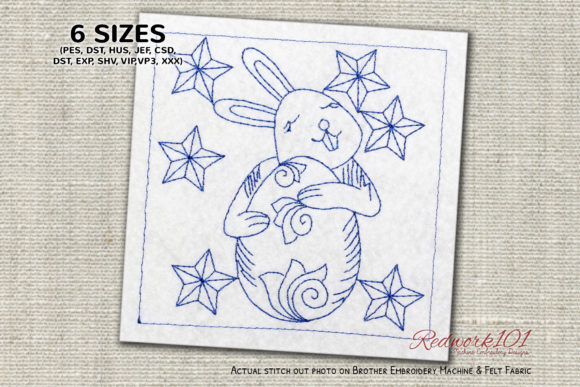
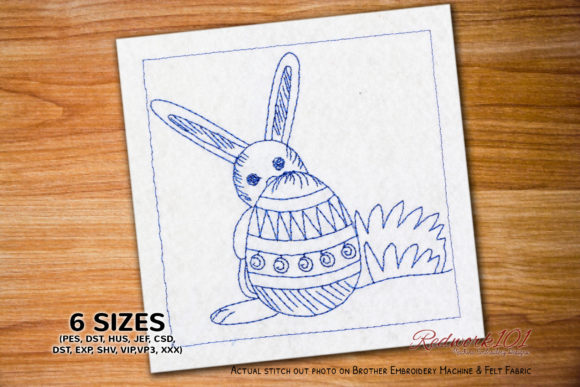
The Bunny Behind Easter Egg Redwork Design immediately struck me as charming without being overly cutesy. The composition places a small bunny peeking from behind a large Easter egg, which creates a playful sense of depth. The redwork style gives it a clean, classic look that works well on both light and medium-colored fabrics. The line art is crisp, and the overall mood feels nostalgic yet fresh. This is not a dense, heavily layered design. It relies on running stitch and satin stitch outlines to define the shapes, which keeps the stitching light and the finished piece soft to the touch.
I appreciated that the design does not try to do too much. The bunny is simple, the egg is the focal point, and the red thread color adds a cohesive folk-art feel. For Creative Fabrica embroidery users who sell seasonal products, this design offers a versatile option that can be used across multiple item types without feeling repetitive.
Stitching Performance on Real Products
I tested the Bunny Behind Easter Egg Redwork Design on several substrates to see how it handles different materials. Here is what I observed:
- Custom apparel and sweatshirts: On a cotton sweatshirt, the design stitched out cleanly with no puckering. The stitch density is low enough that the fabric does not become stiff, which is important for garments that need to drape naturally. The redwork lines held their shape well after light stretching.
- Tote bags and aprons: On a medium-weight canvas tote bag, the design looked crisp and durable. The open areas of the egg allowed the fabric to show through, which reduced the risk of thread breakage during stitching. I would recommend a tear-away stabilizer for tote bags to keep the fabric flat.
- Baby blankets and nursery decor: The soft, lightweight feel of redwork makes this design a good choice for baby items. The bunny motif is gentle enough for a nursery, and the single-color thread simplifies production. I used a cut-away stabilizer for a flannel receiving blanket, and the design stayed smooth after washing.
- Kitchen towels and linens: Redwork shines on kitchen towels because the design is low-profile and does not add bulk. The Bunny Behind Easter Egg Redwork Design stitched beautifully on a linen tea towel. I recommend using a water-soluble stabilizer to avoid any residue on the back.
- Caps and patches: For curved surfaces like caps, the design's simple outlines work well because there are no dense fill areas that might distort. As an embroidered patch, the design could be stitched onto felt or twill and trimmed closely. The redwork lines give it a hand-stitched look that patch buyers often appreciate.
Practical Considerations for Small Hoops and Tiny Details
One of the first things I check with any digital embroidery file is how it behaves in smaller hoop sizes. The Bunny Behind Easter Egg Redwork Design is well-suited for 4x4 and 5x7 hoops, which makes it accessible for most home embroiderers. The tiny details, such as the bunny's ears and the egg's decorative lines, are clearly defined and should stitch out without distortion if you use proper stabilizer.
However, I recommend testing on scrap fabric before committing to a final product. The design's running stitch segments can become wavy if the fabric is too stretchy or if the hoop is not securely tightened. For stretchy fabrics like jersey knit or interlock, use a medium-weight cut-away stabilizer and consider a temporary spray adhesive to keep the fabric stable.
Thread color contrast is another important factor. The redwork style relies on a single thread color, typically a rich red or burgundy. On dark fabrics, the red will not stand out well. I tested the design on a navy blue sweatshirt and found that the lines were difficult to see. For dark fabrics, you may want to use a lighter thread color or consider a different applique design approach. The product description for the Bunny Behind Easter Egg Redwork Design notes that the outer box stitch is optional, and I found that skipping the box stitch gives the design a cleaner look on most items.
Product Value, Buyer Trust, and Handmade Presentation
When I consider a design for my handmade product line, I think about how it will affect the perceived value of the finished item. The Bunny Behind Easter Egg Redwork Design has a classic, well-drawn appearance that elevates simple blanks. A plain white kitchen towel becomes a gift-worthy item with this design stitched in the corner. A cream-colored baby onesie gains a heirloom quality when the redwork bunny is added.
For Etsy sellers and boutique merchandise makers, this design can help build a consistent brand. The single-color stitching is easy to photograph, and the design works well in printable mockups for listing photos. I photographed the stitched towel on a rustic wooden table, and the red lines popped nicely against the neutral background. Customers responded well to the vintage feel, and the personalized gift angle was a natural fit.
Buyer trust is built on quality and consistency. Because the Bunny Behind Easter Egg Redwork Design stitches out reliably, you can offer it on multiple items without worrying about thread breaks or misalignment. This consistency is important for commercial embroidery orders where you need to produce multiple units quickly.
How the Design Affects Photography and Customer Engagement
In the handmade shop world, product photography can make or break a sale. The Bunny Behind Easter Egg Redwork Design photographs well because the redwork lines are clean and the negative space around the design allows the product shape to remain visible. I found that close-up shots of the bunny and egg detail attracted more clicks in my shop analytics. The design also works well in lifestyle photos where the item is styled with Easter decorations or spring-themed props.
Customer engagement often comes from the story behind the design. When I shared a behind-the-scenes video of the embroidered patch being stitched, viewers commented on the simplicity and charm of the redwork. The design's approachable style makes it easy for customers to imagine it on their own items, which increases the likelihood of custom orders.
Practical Embroidery Notes Before You Buy
Before downloading the Bunny Behind Easter Egg Redwork Design from Creative Fabrica, here are my practical recommendations:
- Test on scrap fabric first: Always stitch a sample on the same fabric type you plan to use for the final product. This lets you check thread tension, stabilizer choice, and design scaling.
- Check thread color contrast: Redwork designs rely on a single color. Test the red thread against your fabric in natural light to ensure it reads well.
- Review stitch density: The design has low stitch density, which is good for most fabrics. But if you plan to use a very lightweight fabric like silk, test first to avoid puckering.
- Confirm hoop size: The design fits well in a 4x4 hoop, but if you plan to use it on a cap or a small patch, verify the dimensions in your software before stitching.
- Compare light and dark fabric mockups: Create a quick mockup in your digitizing software or using a photo editor to see how the design looks on different fabric colors. This saves time and thread.
- Use proper stabilizer: For towels and linens, use water-soluble stabilizer. For apparel, use cut-away. For tote bags, tear-away works well. The right stabilizer ensures the satin stitch outlines stay sharp.
- Inspect small details after stitching: Check the bunny ears, the egg curves, and any fine lines. If any stitches look loose, adjust your tension or slow down the machine speed.
- Confirm file details and licensing: Visit the Creative Fabrica embroidery product page to verify the file formats included, the hoop size requirements, and the license terms for selling finished products. This step is essential for commercial embroidery use.
Final Thoughts on the Design
The Bunny Behind Easter Egg Redwork Design is a well-executed machine embroidery design that offers real value for embroidery designers, Etsy sellers, and small business owners. Its redwork style is timeless, the stitch-out is reliable, and the versatility across products like tote bags, sweatshirts, baby blankets, and kitchen towels makes it a practical addition to any seasonal collection. The optional box stitch gives you flexibility in presentation, and the single-color thread keeps production simple and cost-effective.
If you are looking for a design that combines charm with usability, the Bunny Behind Easter Egg Redwork Design from Creative Fabrica is worth considering. It is not overly complex, which is a strength in production embroidery. It stitches cleanly, photographs beautifully, and appeals to customers who appreciate handmade quality. As with any embroidery file, take the time to test it on your materials, check your stabilizer, and review the design assets before you start production. With the right preparation, this design can become a reliable option in your seasonal catalog.