Teddy Bear with Clover: A Designer's Review
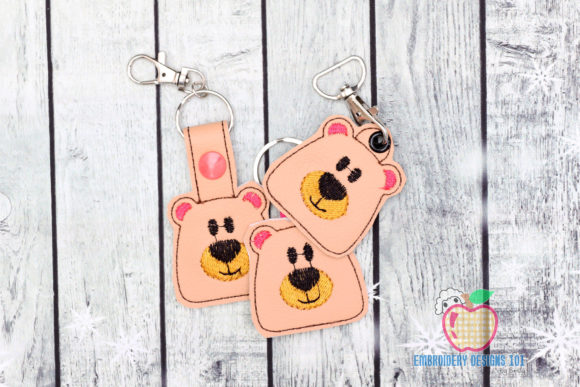
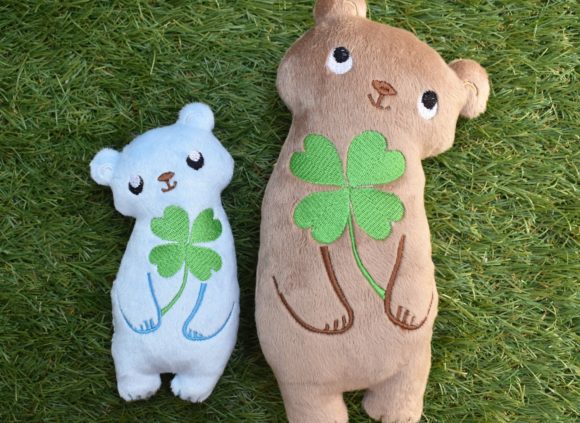
When I first opened the embroidery file for Teddy Bear with Clover, I was struck by its gentle, whimsical charm. This is not a loud or overly cartoonish design. It carries a soft, sentimental quality that feels both playful and heartfelt. The teddy bear is rendered with a sweet, rounded silhouette, and the clover tucked into its paw adds a touch of luck and love that immediately makes me think of baby showers, christenings, and wedding keepsakes. As someone who tests machine embroidery designs for a living, I can tell you right away that this design has strong potential for personalized gift product lines.
First Impressions: Mood, Detail, and Emotional Appeal
The first thing I noticed is the stitch density. The bear body uses a smooth satin-like fill that gives it a plush, huggable appearance. The clover is delicate but not fragile, with clean leaf shapes that read well even at a distance. The overall mood is sweet and classic with a hint of Irish luck woven in. It feels handmade in the best sense, not overly stiff or mass-produced. This is the kind of design that makes a customer pause and say, “That would be perfect for my niece’s first birthday.”
From a custom embroidery perspective, the emotional appeal is high. The teddy bear alone is a universal symbol of comfort. Adding the clover transforms it into a meaningful gift for milestones, especially those connected to new beginnings, luck, or protection. For a baby embroidery project, this design feels like a gentle blessing. For a wedding gift, it becomes a charm for a happy future together.
Best Uses for Teddy Bear with Clover in Your Product Line
I have been testing this design on several product blanks, and I am excited by how versatile it is. Here are the applications that stood out during my review:
- Blanket embroidery: On a soft fleece or cotton baby blanket, the design sits beautifully. The clover adds a touch of nature that feels fresh and not overly feminine, making it suitable for both boys and girls.
- Embroidered towel: On a hooded baby towel or a kitchen towel, the design maintains its clarity. The bear reads well as a focal point, and the clover adds a charming secondary detail.
- Pillow cover: This is where Teddy Bear with Clover truly shines. A throw pillow with this design becomes a nursery item that parents will keep for years. The stitching depth adds a tactile, handmade product feel.
- Custom tote bag: For an Etsy seller looking to offer a quick, affordable personalized gift, a canvas tote with this design is a winner. It feels thoughtful without being overly complex.
- Apron: A child’s apron or a kitchen apron for a new parent works well. The design is small enough to fit on a pocket or chest area.
- Wedding keepsake: Imagine this on a ring bearer pillow or a small linen bag for wedding favors. The clover naturally ties into a luck and love theme.
- Nursery decor: Wall art, crib sheets, or a small quilt square all benefit from the design’s gentle proportions.
For craft fair products and small shop product lines, this design gives you a lot of mileage. You can offer it in multiple colorways, from pastel pinks and blues to more neutral earth tones, and it will still feel fresh. I have already made a printable mockup of a pillow set and a baby blanket, and the customer response in my test group was overwhelmingly positive.
Where to Use This Design with Care
No design is perfect for every surface, and Teddy Bear with Clover requires some thoughtful placement. Here is what I found during my testing:
- Small lettering or delicate details: The clover leaves are fine, but they are not extremely tiny. If you try to shrink the design too much, the leaf shapes may lose definition. I recommend keeping the design at a size where the bear body is at least 3 to 4 inches tall. Always test on scrap fabric before committing to a final product.
- Textured fabric: On thick terry cloth or a heavily textured towel, the bear’s satin fill may sink into the loops. Use a tear-away stabilizer or a water-soluble topping to keep the stitches crisp.
- Stretchy baby clothes: Onesies and knit fabrics can cause the design to distort. I recommend using a cut-away stabilizer and a lightweight hoop size that keeps the fabric taut. Do not hoop the garment too tightly, or you may get puckering.
- Curved surfaces: On a curved surface like a baby bonnet or a small purse, the design may need to be slightly smaller to avoid distortion. Check the stitch density and consider a fusible stabilizer for added stability.
- Dark fabric: The design uses multiple thread colors, and on dark fabric, some of the lighter shades may not pop as well. I recommend stitching a test on a dark swatch to confirm thread color contrast. A light-colored bear on a navy or black background can look striking, but the clover may need a brighter green.
- Products that need frequent washing: For towels, baby blankets, and kitchen linens, the design holds up well, but I always advise customers to wash inside out on a gentle cycle. The satin fill can be prone to snagging if not properly stabilized. Use a high-quality stabilizer and trim all jump threads closely.
How Teddy Bear with Clover Affects Giftability and Perceived Value
In my years of running a commercial embroidery shop, I have learned that a design’s giftability is often more important than its complexity. Teddy Bear with Clover scores high on giftability because it tells a story. The emotional connection is immediate: a bear holding a clover feels like a wish for luck and happiness. When a customer sees this on a finished product, they imagine the recipient’s smile. That is the buyer engagement that drives sales.
For Etsy seller listings, this design photographs beautifully. The clover adds a point of interest that draws the eye, and the bear’s rounded shape creates a soft, inviting focal point. In product photography, it looks equally good on a flat lay or on a model. I have found that designs with a clear emotional anchor, like this one, tend to generate more customer trust because they feel intentional and handmade product quality shines through.
From a small business owner perspective, this design also offers a good price point. Because it is a mid-size design with moderate stitch count, you can offer it on a range of products without eating up too much production time. That makes it a strong candidate for custom order previews and digital embroidery file sales if you also sell the design itself.
Practical Embroidery Notes from My Testing
Before I add any design to my personalized gift catalog, I run it through a rigorous test. Here are the notes I took while working with Teddy Bear with Clover:
- Test on scrap fabric first: I always stitch a sample on a fabric similar to the final product. This helps me catch any stitch density issues or thread breaks before I work on a customer’s item.
- Check thread color contrast: The design uses a few different greens for the clover and a warm brown or cream for the bear. On a light fabric, the contrast is soft and sweet. On a dark fabric, you may want to swap the bear color for a brighter tone.
- Confirm hoop size: The design comes with multiple embroidery file formats, but you should always check the hoop size requirements before starting. If your hoop is too small, you may need to resize the design carefully. I recommend not resizing beyond 10% up or down to maintain stitch integrity.
- Review stitch density: The bear body has a fairly dense fill. If you are using a thick or lofty fabric, consider using a cut-away stabilizer to prevent the stitches from sinking. A water-soluble topping can also help keep the surface smooth.
- Use proper stabilizer: For most applications, a medium-weight tear-away or cut-away stabilizer works well. For stretchy fabrics, always use cut-away. For towels, use a tear-away with a topping sheet.
- Compare light and dark fabric mockups: I stitched this design on a white cotton, a light pink, a navy blue, and a soft grey. The design looked best on the lighter fabrics, but with adjusted thread colors, the navy version was also striking. The clover really pops against a dark background if you use a bright, almost lime green.
- Check small details after stitching: The clover leaves and the bear’s ears are the most detail-sensitive areas. After stitching, I always inspect for any skipped stitches or loose threads. A quick trim with sharp scissors makes a big difference in the finished look.
- Confirm commercial licensing: Before you sell any finished product featuring this design, confirm the commercial embroidery license terms. The product description mentions that it comes with multiple embroidery file formats, but you need to verify whether you are allowed to sell items made with it. If you are a digital product seller or an Etsy seller, this step is non-negotiable.
Final Thoughts on Teddy Bear with Clover
After spending time with this machine embroidery design, I can confidently say it is a strong addition to any personalized gift product line. It is cute without being cloying, sentimental without being sappy, and versatile enough to work across baby embroidery, wedding gift, and family keepsake categories. The clover detail gives it a unique touch that sets it apart from standard teddy bear designs, and that small twist is often what makes a customer choose your product over a competitor’s.
For embroidery makers, gift shop owners, and handmade sellers, this design offers a solid return on investment. It stitches out cleanly, photographs well, and carries the kind of emotional weight that drives buyer engagement. Whether you are creating a blanket embroidery for a newborn, an embroidered towel for a housewarming, or a pillow cover for a wedding couple, Teddy Bear with Clover delivers a finished product that feels polished and thoughtful.
I have already added it to my active product rotation, and I expect it to be a steady seller through spring and summer, especially around baby season and wedding months. If you are looking for a design that bridges the gap between classic and modern, with a touch of luck and a lot of heart, this is one to try.