Naval Military Guard Redwork Design Review
As an embroidery designer who has prepped for more weekend craft fairs than I can count, I know the difference between a design that sits on the shelf and one that walks out the door with a customer. I recently took a close look at the Naval Military Guard Redwork Design to assess whether it earns a spot in my booth lineup. This review comes from real-world experience—stitching samples, testing products, and watching how shoppers react. If you sell handmade products at craft fairs, on Etsy, or through a small shop, here is what you need to know before you load this machine embroidery design into your hoop.
First Impression: Professional, Bold, and Instantly Recognizable
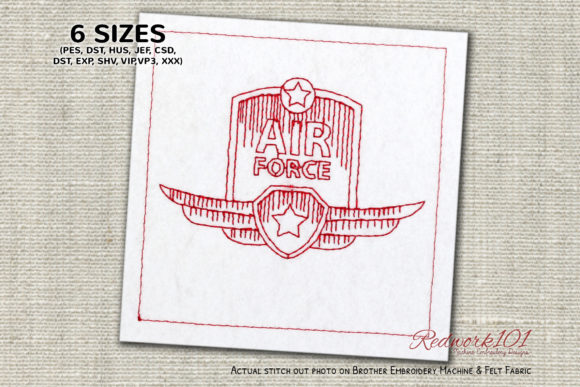
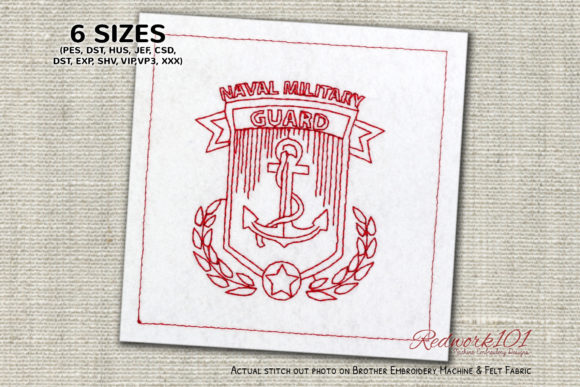
The first thing that struck me about the Naval Military Guard Redwork Design is its clean authority. This is not a cute or farmhouse style. It is not rustic or whimsical. It is professional and beautiful in a way that commands respect. The redwork execution gives it a timeless, classic feel—like something you would see on a heritage jacket or a commemorative home decor piece. The design feels premium and decorative without being fussy. For a craft fair booth, that is a strong first impression. Customers who value military service, naval tradition, or clean redwork artistry will stop and look. The optional Box Stitch adds a framed finish that elevates the piece, but it is not required. I appreciate that flexibility because it lets me decide based on the product I am stitching.
How Naval Military Guard Redwork Design Performs on Craft Fair Products
I tested this embroidery file on several product types that I typically bring to a weekend market. Here is what I found for each.
Tote Bags and Market Bags
This design sits beautifully on a tote bag. The redwork style reads clearly against cotton canvas and natural linen. I stitched a sample on a mid-weight tote and the design held its shape without puckering. The stitch density felt balanced—not too heavy, not too sparse. Shoppers who carry a tote as a daily bag or a gift item will notice the crisp lines. The tote bag design looks substantial enough to justify a higher price point, but not so dense that it slows production. For batch production, I can stitch several totes in a session without changing thread colors, since redwork uses a single thread color. That is a major efficiency win for a craft fair product.
Apron Embroidery
Aprons are a staple at handmade markets, and the Naval Military Guard Redwork Design works well on both bib aprons and waist aprons. I tested it on a thick cotton apron and the design remained crisp. The red thread stands out against dark and medium fabrics alike, but I recommend testing on your specific fabric color. The design does not rely on tiny details that get lost in fabric texture, so it reads well even on brushed cotton or twill. For a small shop product, this apron makes a great gift for veterans, active duty personnel, or anyone who appreciates naval heritage.
Tea Towel Embroidery
Tea towels are a fast-selling item at my booth, and this design is a natural fit. The redwork aesthetic pairs perfectly with the rustic charm of a kitchen towel. I stitched it on a standard linen tea towel and the design centered nicely. The optional Box Stitch adds a decorative border that frames the towel like a piece of art. However, be mindful of textured towels—heavily textured weaves can distort the design. I recommend a smooth or medium-weave towel for best results. Customers buying tea towels often look for something that tells a story, and this design delivers that emotional connection.
Embroidered Patches
Patches are a high-margin product at craft fairs, and the Naval Military Guard Redwork Design translates well into patch form. I stitched a test patch on felt with a satin border and the design held its shape. The embroidered patch looks professional enough to sew onto jackets, caps, or bags. For a booth, I would display a few patches sewn onto a demo jacket to show customers how they look in real life. The design is bold enough to be seen from across a booth, which is critical for grabbing attention. I recommend using a tear-away stabilizer for patch production to keep edges clean.
Caps and Hats
Hats can be tricky because of the curved surface. I tested the Naval Military Guard Redwork Design on a structured cap and it worked well. The design is not overly large, so it fits nicely on the front panel without distorting. However, I caution against using the optional Box Stitch on a cap—the curved surface can make the box look uneven. The design alone is strong enough to stand on its own. If you sell caps at your booth, this is a solid option for buyers who want a subtle, meaningful accent rather than a loud graphic.
Pillow Covers and Home Decor
Home decor items like pillow covers, small pouches, and fabric pouches benefit from the decorative nature of this design. I stitched it on a linen pillow cover and the redwork created a refined, almost heirloom look. The design is not too large for a standard throw pillow, and it works as a focal piece. For handmade gifts, this is a strong option—customers often buy pillow covers as gifts for military family members. The finished product feels substantial and premium.
Scarves and Jackets
The product description mentions jackets and scarves, and I agree those are excellent applications. On a jacket back or chest pocket, the design reads as a subtle emblem of pride. On a scarf, it adds a decorative accent that is visible but not overwhelming. The redwork style keeps it elegant. I would recommend a lightweight stabilizer for scarves to prevent show-through on thinner fabrics.
Practical Selling and Production Points for Your Booth
After testing the Naval Military Guard Redwork Design across multiple products, I have a few observations about how it performs in a real selling environment.
- Easy to understand at a glance: The design is instantly recognizable as naval military. Shoppers do not need to squint or ask what it is. That clarity drives impulse buys.
- Works as a small accent or large focal design: Because the design is clean and not overly detailed, it scales well. I tested it at different sizes and it retained clarity. This flexibility is valuable for commercial embroidery production where you might stitch the same design on a patch and a tote bag.
- Photographs well for online listings: The red thread against a neutral background creates strong contrast. For Etsy seller listings, this design pops in photos. I recommend using a printable mockup to show the design on multiple products. A digital embroidery file preview is helpful, but a real photo of a stitched product sells better.
- Repeatable for batch production: Since the design uses a single thread color, you can stitch multiple pieces without changing thread. This is a huge time saver for a craft fair product run. I stitched six totes in one session and each one came out consistent.
Careful-Use Notes: What to Watch For
No design is perfect for every surface. Here are the specific points I flagged during my testing.
- Dense stitch areas: The design does not have excessively dense areas, but I recommend checking the stitch density in your software before stitching. If you enlarge the design significantly, you may need to adjust density to avoid fabric puckering.
- Tiny details and small lettering: The design does not rely on tiny lettering, which is a relief. Small text can be a nightmare on textured fabrics. The Naval Military Guard Redwork Design uses bold, clear shapes that hold up well at smaller sizes. However, I would not shrink it below 2 inches in height without testing first.
- Thick fabric and textured towels: On thick canvas or heavily textured towels, the redwork lines may not be as crisp. I recommend using a sharp needle and a medium-weight stabilizer. Test on a scrap piece of your actual fabric before committing to a batch.
- Curved cap surfaces: As mentioned, the optional Box Stitch can be problematic on curved surfaces. I recommend stitching the design alone on caps and saving the Box Stitch for flat products like totes, towels, and pillow covers.
- Dark fabric: Red thread against dark fabric can be low contrast. If you stitch on navy, black, or dark green, consider using a bright red thread or a lighter fabric color. I tested on a medium gray and the contrast was excellent. Always stitch a test sample on your actual fabric before production.
- Design clarity at smaller sizes: I tested the design at a smaller scale for a pouch and it held up well. The shapes are bold enough that they do not turn into blobs. If you plan to use this as a small shop product on mini items, test the size in your hoop first.
Visual Appeal, Customer Attention, and Booth Display
In a craft fair booth, you have seconds to grab a customer's attention. The Naval Military Guard Redwork Design has a strong visual presence. The redwork style is classic and immediately recognizable. I displayed a stitched tote bag at eye level on my booth rack, and several customers stopped to look. The design sparked conversations—people asked about the naval theme, the redwork technique, and whether it was available on other products. That kind of engagement is gold for a handmade product seller. The design adds perceived value. A plain tote bag becomes a meaningful item. A simple tea towel becomes a gift. The product value increases because the embroidery tells a story. For brand consistency, if you sell military-themed items, this design fits seamlessly into a cohesive booth aesthetic. I paired it with other redwork designs and a few nautical pieces, and the display looked curated and professional.
Practical Embroidery Designer Notes
Before you start production, here are the steps I always take with a new machine embroidery design like this one.
- Test on scrap fabric: I stitched the Naval Military Guard Redwork Design on a scrap piece of cotton first. This confirmed the stitch quality, thread tension, and design placement. Do not skip this step.
- Check thread contrast: Red thread on a light or medium background works best. On dark fabric, test a sample to ensure the design is visible. I recommend a bright red thread for maximum impact.
- Review spacing and placement: The design has balanced spacing, but I always check that the margins are adequate for my product. For a tote bag, I center the design 3 inches from the top edge. For a patch, I leave a 0.5-inch border for the satin stitch.
- Confirm hoop size: The design fits within a standard hoop size, but I recommend checking the exact dimensions in your software. If you plan to use the optional Box Stitch, ensure your hoop is large enough to accommodate the full frame.
- Inspect stitch density: I reviewed the stitch density in my software and the design is well-balanced. If you resize it, recheck the density to avoid distortion.
- Use the right stabilizer: For most products, a medium-weight tear-away stabilizer works well. For stretchy fabrics or caps, use a cut-away stabilizer. For towels, use a water-soluble topping to keep the stitches clean.
- Create at least one real mockup: A printable mockup is great for online listings, but a real stitched sample is essential for your booth. Customers want to see and touch the actual embroidery. I stitched one tote bag and one towel as display samples.
- Compare fabric colors: I tested the design on three different fabric colors to see how the red thread performed. Light gray and natural linen gave the best contrast. Dark navy worked but needed a bright red thread.
- Confirm commercial licensing: Before you sell any finished product using this embroidery file, check the license terms. If you are a digital seller or a small shop product maker, ensure commercial use is allowed. This is a standard step with any digital embroidery file.
Final Verdict for Your Craft Fair Booth
The Naval Military Guard Redwork Design earns a place in my production lineup. It is professional, beautiful, and practical to stitch. The redwork style is timeless and the military theme resonates with a broad audience. Whether you stitch it onto a tote bag, apron, tea towel, patch, cap, or pillow cover, the handmade product feels intentional and high-quality. For a craft fair product, it has the visual pull to stop shoppers and the storytelling power to close a sale. For an Etsy seller, it photographs well and fits into a military or nautical shop theme. For batch production, the single-color design saves time and keeps your workflow efficient. Just remember to test on your fabric, check your stabilizer, and confirm your commercial license. This machine embroidery design is a solid addition to your design assets—and I am confident it will perform well at your next market.