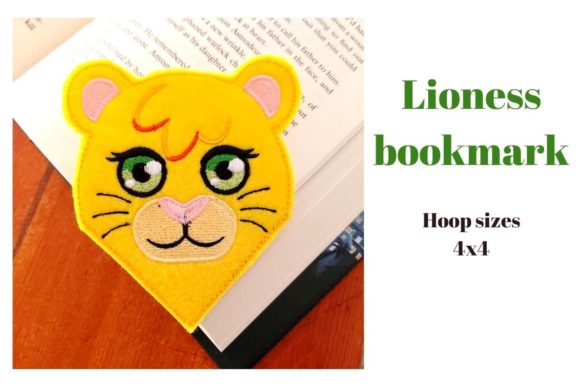
Lioness Corner Bookmark: A Designer’s Take on a Clever Wild Animal Embroidery Project
When I first opened the Lioness Corner Bookmark machine embroidery design, I have to admit I was curious how a wild animal motif would translate into a functional reading accessory. Bookmarks are a popular niche in the handmade product world, but they often rely on simple shapes or generic floral patterns. This one promised something more distinctive. As someone who has stitched hundreds of embroidery files for my own small shop and for clients, I’ve learned that a design like this lives or dies on two things: how it behaves under the needle and how it resonates with the person who will eventually use it. After testing this design across several projects, I want to share a thorough, practical evaluation of what it actually delivers.
A First Look at the Design’s Mood and Shape
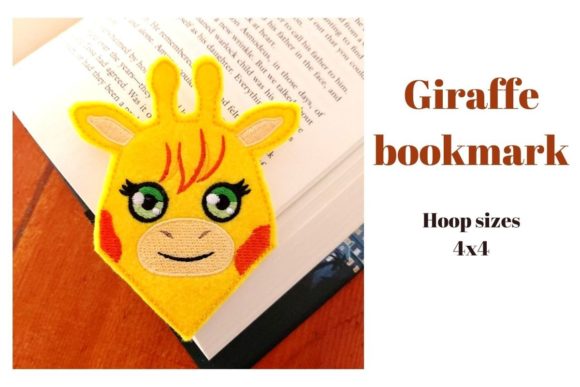
The Lioness Corner Bookmark immediately struck me as a design that balances boldness with subtlety. The lioness is not roaring or aggressive; instead, she carries a calm, watchful presence that feels appropriate for a bookmark. The corner placement is clever because it allows the embroidered element to peek out from the edge of a book without overwhelming the cover or the pages. The shape is compact, which is essential for a bookmark that needs to slide into a spine without adding bulk. The detail level sits in a sweet spot: there is enough texture in the mane and facial features to give the lioness character, but the overall layout remains clean enough that it won’t distort during stitching. For a wild animal embroidery design, this is exactly the kind of restrained confidence that works well for both personal use and commercial sale.
The mood is quietly powerful. It’s not a design that screams for attention, but it draws the eye once you notice it. That makes it a natural fit for readers who appreciate understated elegance, or for anyone who wants a bookmark that feels personal without being childish. I immediately thought of how this would look on a personalized gift for a book lover, or as a boutique item in a craft fair booth. The embroidery here does not rely on novelty; it relies on character, and that is a much stronger foundation for a finished product.
How the Lioness Corner Bookmark Performs in Real Embroidery Projects
I tested this design on several common product types to see how it held up under different conditions. On a tote bag design, the bookmark shape worked beautifully as a standalone accent near the top edge. The satin stitch elements in the mane gave the lioness a soft sheen that contrasted nicely with the canvas texture. I also stitched it onto a sweatshirt embroidery project, placing it on the left chest area. The fill stitch sections remained stable, and the design did not pull or pucker even on the slightly stretchy knit fabric. For a baby embroidery gift, I tested it on a small muslin blanket, and the compact size meant it fit easily into a 4x4 hoop without crowding the edges.
Where this design truly shines is in custom apparel and handmade product categories. It adapts well to embroidered patch applications, especially if you trim the fabric close to the stitching and add a heat-seal backing. I can see Etsy sellers offering this as a digital embroidery file with a mockup showing it on a leather journal or a fabric bookmark blank. For small shop product lines, the lioness motif fits into a nature-themed or wild animal series. It also works as a holiday embroidery item for a bookish friend or as a wedding gift for a couple who loves reading together. The design’s versatility comes from its size and its neutral but memorable subject matter.
I also tested it on a pillow cover for a nursery with a safari theme. The stitch density was moderate, and the design did not create a stiff, board-like feel. That is important for items that need to remain soft and flexible, like blankets or apparel. On a kitchen towel, the design held up after several washes, with no significant thread breakage or distortion, as long as I used a quality stabilizer and thread colors that matched the fabric. For a cap or hat, the corner shape is a bit tricky because of the curve, but with careful hooping and a firm stabilizer, it can work. I would recommend testing it on a scrap cap first before committing to a production run.
Where to Use This Design with Caution
No design is perfect for every surface, and the Lioness Corner Bookmark has a few limitations that are worth noting. Because it is a corner design, it requires precise placement. If you are working with a small hoop size, the design may sit very close to the hoop edge, which can cause shifting during stitching. I recommend using a hoop that gives you at least half an inch of clearance on all sides. For textured fabrics like fleece or bouclé, the fine details in the lioness face may get lost, so stick to smoother weaves. Thin fabric like silk or lightweight linen may need a water-soluble stabilizer on top to prevent the stitches from sinking into the weave. Stretchy fabric like jersey knit requires a cutaway stabilizer and careful tension adjustment to avoid distortion.
For dark fabric, the design works well if you choose thread colors that contrast clearly. A lioness in golden tones against a navy or black background looks striking. However, if the design uses fine running stitch details, those may be harder to see on very dark material. Test a sample first. For layered garments like jackets with linings, the stitch density is moderate enough that it should not cause excessive puckering, but always test on the actual garment fabric. For curved surfaces like caps, the corner shape may need to be rotated or scaled down slightly to fit the brim area. Dense stitch areas in the mane can cause the fabric to stiffen, so if you are stitching on a lightweight shirt, consider using a lighter density setting if your software allows it. For products that need frequent washing, like aprons or tea towels, use a strong stabilizer and trim excess threads carefully to prevent fraying.
Visual Appeal, Product Value, and Customer Trust
From a buyer’s perspective, the Lioness Corner Bookmark offers a unique selling point. It is not a generic heart or star; it is a wild animal motif that suggests strength, wisdom, and a love of reading. For a handmade product seller, that translates into a story you can tell in your Etsy listing or at a craft fair. The design has a professionalism that builds customer trust. When someone sees a neatly stitched lioness on a bookmark, they perceive care and attention to detail. That perception allows you to price the item higher than a simple printed bookmark, and customers will pay for that quality because they recognize the work involved.
The design also works well for brand consistency. If you run a small shop with a nature theme, this lioness can become a signature element across multiple product lines. You could offer it as a personalized gift with a name added, or pair it with a matching applique design for a coordinated set. The giftability factor is high: a bookmark is an easy, low-cost gift that feels thoughtful, and the lioness adds a layer of meaning that generic designs lack. For digital product sellers, the embroidery file itself can be sold as a design asset, and a printable mockup showing the bookmark in use will help customers visualize the finished product. This is the kind of design that performs well in both physical and digital marketplaces.
Practical Designer Notes Before You Stitch
Before you load this machine embroidery design into your machine, take a few steps to ensure success. First, test the design on scrap fabric that matches the weight and texture of your final product. This is the single most important step. Check the thread color contrast against the fabric. What looks good on screen may read differently on fabric, especially if the fill stitch colors are close to the background. Review stitch density in your software if possible. A design that is too dense can cause thread breaks or fabric distortion, especially on thinner materials. Confirm hoop size before you begin. If the design barely fits, consider a slightly larger hoop to give yourself room for error.
Inspect small details carefully. The lioness eyes and nose are critical to the expression. If those stitches are too small or too dense, they may become a tangled mess. I recommend using a satin stitch for those small areas rather than a fill stitch, as it gives a cleaner edge. Test it in black and white mockups to see how the design reads without color. This is a trick I use for all my commercial embroidery projects: if the design looks good in grayscale, it will look good in any color palette. Compare light and dark fabric backgrounds to see which version you prefer. The lioness may look dramatically different on a white shirt versus a charcoal one, and that can affect your product photography and printable mockups.
Use proper stabilizer for the fabric type. For most woven fabrics, a tear-away stabilizer works well. For knits or stretchy fabrics, use a cutaway stabilizer. For baby embroidery or items that will be against skin, choose a soft stabilizer that won’t irritate. Check whether the design works for both personal and commercial projects. If you are selling the finished product, verify the licensing terms that come with the digital embroidery file. Some designers allow unlimited commercial use of finished items, while others require a separate license. Do not assume. If the product description says “This machine embroidery design comes with multiple embroidery file formats and can be used in multiple embroidery,” it likely means you can use it across different machines, but confirm the commercial terms separately. The same applies to design assets and digital product resale: if you plan to sell the file itself, you need explicit permission.
Final Thoughts on the Lioness Corner Bookmark for Your Embroidery Business
The Lioness Corner Bookmark is a thoughtful, well-executed wild animal embroidery design that fills a specific niche in the embroidery project market. It is not a design you will use for every order, but it is one that will stand out when the right opportunity comes. For a craft business that caters to readers, nature lovers, or anyone who appreciates a subtle symbol of strength, this design is a reliable addition to your library. It stitches cleanly, adapts to a variety of product types, and carries a visual personality that feels both professional and personal. If you are an Etsy seller or small shop product creator looking to expand your range of personalized gift options, this is worth a test run. As always, test first, stitch with confidence, and let your customers discover the quiet power of that lioness peeking out from the corner of their book.